Polynucleotides have gone from a niche injectable to one of the most asked-about treatments in UK clinics in the space of a couple of years. Most people who ask us about them have seen the phrase “salmon DNA” online and want to know two things. What actually is it, and will it help my skin?
Here’s a straight answer, based on how we use polynucleotides at The Laser & Aesthetic Clinic in Gravesend and what the research currently shows.
What Polynucleotides Are
Polynucleotides are highly purified fragments of DNA, taken from fish and processed until what’s left is a clear, slightly thick gel. That gel is injected in tiny amounts into the skin.
The important thing to understand is what they don’t do. Polynucleotides don’t add volume the way a dermal filler does. They won’t change the shape of your face. Their job is to improve the quality of the skin itself: how firm, hydrated and even it looks.
How They Work in the Skin
Once injected, polynucleotides act on fibroblasts, the cells in your skin that make collagen and elastin. Research points to a handful of effects working together:
- a boost in fibroblast activity, which supports new collagen over the following weeks
- better hydration, because the gel itself binds water
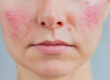
- a calming effect on inflammation and redness
- a more even skin tone over time
The water-binding effect is why freshly treated skin looks plumper for a few days. That early firmness is mostly swelling and hydration. The real change, the collagen response, builds slowly in the background and shows over the following weeks and months.
At our clinic in Kent, we use products from the Plinest and Newest ranges. Plinest Eye is formulated for the thin, delicate skin under the eyes. Newest is the one we reach for when hydration and a more luminous finish are the priority.
Who Polynucleotides Tend to Suit
In our experience, the people who get the most from polynucleotides usually have one of these concerns:
- crepey, thin or dark-looking skin under the eyes, where filler isn’t the right tool
- dull, dehydrated skin that hasn’t improved much with skincare alone
- fine lines around the mouth, without wanting any added volume
- neck and décolletage skin that’s starting to look crepey
- acne scarring, often treated alongside subcision
- sensitive or redness-prone skin
They’re less useful if your main concern is lost volume, heavy jowls or true eye bags. Those are structural problems, and a different treatment (or a surgical opinion) will serve you better. We’ll tell you honestly at consultation if that’s the case.
Let us know about any allergies before treatment, including any allergy to fish, along with pregnancy, breastfeeding or active skin infections.
What Happens at Your Appointment
Numbing cream goes on first and stays on for around 30 minutes. Then the skin is cleansed again and the injections take roughly another 30 minutes.
Depending on the area, we use either a very fine needle or a blunt-tipped cannula. With a cannula, most people head straight back to work. With a needle, expect small raised bumps where the product sits for two to three days. Pinprick bruising, some redness, a little itching or warmth in the skin are all normal in the first few days.
How Many Sessions You’ll Need
Polynucleotides are a course treatment, not a one-off. We usually recommend three to four sessions spaced three weeks apart, depending on the condition of your skin.
The best results show around three months after you start. After that, one maintenance session every six months keeps the fibroblasts working. Skip maintenance and the skin gradually returns to its usual ageing pace.
What the Evidence Says
It’s worth being honest here, because polynucleotides have attracted a lot of hype.
Reviews of the published research report measurable improvements in skin hydration and elasticity, and a good safety record so far. A 2026 expert review noted no reported cases of granuloma or vascular occlusion in the literature to date. The main side effects are the ones you’d expect from any injection: bruising, swelling and, rarely, a sensitivity reaction.
The same reviewers are clear that the evidence base is still growing. Many trials are small and short, and long-term data is limited. So we treat polynucleotides as what they are: a skin quality treatment with a gradual, natural-looking result. Not a miracle, and not a replacement for everything else.
Using Polynucleotides Alongside Other Treatments
Polynucleotides work well as a “primer” before other treatments. Healthier, better-hydrated skin tends to respond better to microneedling with radiofrequency, chemical peels and fillers.
They also pair with skin boosters such as Profhilo. The two are often confused, but they’re different products. Profhilo is a hyaluronic acid treatment focused on hydration and laxity. Polynucleotides are DNA fragments that work on cell activity and repair. Some patients benefit from both, and your consultation is where we work out which order makes sense.
Frequently Asked Questions
Are polynucleotides the same as Profhilo?
No. Profhilo is a hyaluronic acid skin booster. Polynucleotides are purified DNA fragments that stimulate fibroblasts. Both improve skin quality rather than adding volume, but they work in different ways.
Do polynucleotide injections hurt?
Numbing cream is applied for 30 minutes beforehand, so most people describe pressure and brief stinging rather than pain. With a cannula, numbing cream often isn’t needed at all.
How long do the results last?
After the initial course, results typically last around six months. A maintenance session twice a year keeps them going.
Can polynucleotides help dark circles?
They can improve the look of thin, crepey skin under the eyes, which often makes dark circles less obvious. If the darkness comes from a deep hollow, tear trough treatment may suit you better.
Is It Right for You?
The only way to know is to have your skin assessed in person. At your consultation, we’ll look at what’s actually causing the concern, whether that’s hollowing, crepiness, pigment or redness, and recommend the treatment that addresses it. Sometimes that’s polynucleotides. Sometimes it isn’t.
Find out more about polynucleotides at our Gravesend clinic or call us on 01474 249 957 to book a consultation.