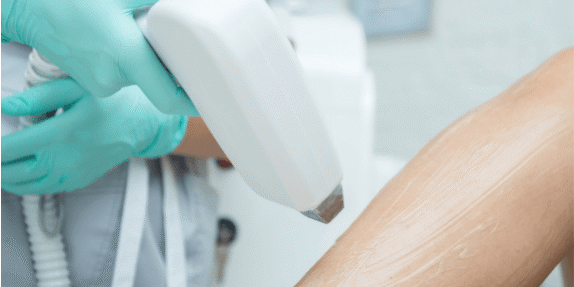
Laser hair removal has an excellent safety record when it’s done properly, but “properly” includes a proper screening process before treatment starts. Not everyone is a suitable candidate at every point in time, and knowing why matters more than most people realise.
Medications That Can Affect Treatment
Several medications make skin more reactive to laser energy, which increases the risk of burns, pigmentation changes, or poor results.
- Isotretinoin (Accutane) for severe acne significantly increases skin sensitivity and is generally avoided for several months before laser treatment.
- Photosensitising antibiotics, including tetracyclines and certain fluoroquinolones, can heighten the skin’s reaction to light-based treatments.
- St John’s Wort, a common herbal supplement, also increases photosensitivity.
- Anticoagulants (blood thinners) can increase the risk of bruising, since the laser causes minor trauma to treated follicles.
This is exactly why a proper consultation always asks about current medications, including supplements, not just prescriptions.
Skin Conditions That Need a Closer Look
Some skin conditions don’t rule out treatment entirely but need to be assessed carefully, or treatment paused until things settle:
- Active inflammatory conditions, such as a flare of eczema, psoriasis, or active acne in the treatment area, since laser energy can aggravate inflamed skin.
- Open lesions, active infections, cold sores, or herpes outbreaks in the area being treated.
- A history of keloid scarring, which can mean any heat-based treatment, carries a higher risk of an exaggerated healing response.
- Vitiligo or other autoimmune skin conditions need individual assessment depending on how active the condition is.
- Moles, raised lesions, or suspicious marks in the treatment area should be reviewed before laser passes anywhere near them.
Recent Sun Exposure or Tanning
Tanned skin, whether from sun exposure or self-tanning products, carries more melanin at the surface. Since laser energy targets pigment, this increases the risk of burns and post-treatment pigmentation changes. Most clinics recommend avoiding significant sun exposure or sunbeds for several weeks before a session, and this is one of the more common reasons a session gets rescheduled rather than refused outright.
Pregnancy and Breastfeeding
There’s no confirmed evidence that laser hair removal harms a pregnancy, but there’s also no research specifically proving it’s safe, since pregnant women aren’t included in clinical studies for understandable reasons. Combined with the hormonal changes that affect hair growth patterns during pregnancy, most clinics advise waiting until after pregnancy and breastfeeding to start or continue a course.
Hormonal Conditions and Treatments
Conditions like PCOS can affect hair growth patterns in ways that make results less predictable, and may mean a longer course is needed. This isn’t a reason to avoid treatment, but it is a reason to set realistic expectations from the outset and to mention any hormonal diagnoses at consultation.
Tattoos in the Treatment Area
Laser energy is attracted to pigment, and tattoo ink counts. Treating directly over tattooed skin can damage the ink or cause an unpredictable reaction, so tattooed areas are usually avoided or treated with adjusted settings by an experienced practitioner.
Why the Consultation and Patch Test Actually Matter
None of this is meant to put people off treatment. The vast majority of people are perfectly good candidates for laser hair removal. The point of a proper consultation and patch test isn’t a box-ticking formality. It’s how a practitioner catches the small percentage of cases where something needs adjusting, whether that’s a medication to pause, an area to avoid, or simply a different laser setting for your skin type.
Not sure if something on this list applies to you? Contact the team at Kent Laser & Aesthetic Clinic in Gravesend, where a proper assessment and patch test will confirm what’s right for your skin.